A Day trip to Malahide Castle

IMGP2325-4

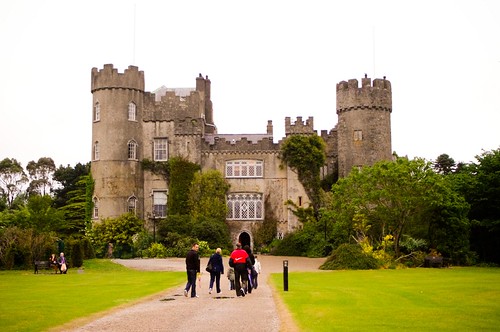
Malahide Castle is one of the oldest and most historic castles on the East Coast of Ireland, just North of Dublin. From 1185 until 1975, (Nearly 800 years) it was the home of the Talbot family – with only one short exception – the period from 1649-1660, when Oliver Cromwell granted it to Miles Corbet after the Cromwellian conquest of Ireland. (Miles Corbet was later hanged and the home restored to the Talbot family.)
IMGP2322-1

In 1169, at the time of the Anglo-Norman invasion, Malahide township was under the control of Hammund Mac Turkill, the last Viking King of Dublin. As the Normans gained land under Henry II starting in 1174, they were granted out to English noblemen. The actual estate began in 1185, when Richard Talbot, a knight who accompanied England’s King, Henry II to Ireland in 1174, was granted the “lands and harbour of Malahide” (something like 600 acres). Strongbow (I seriously love this guy’s name) was granted the remainder of Leinster county.
IMGP2328-7

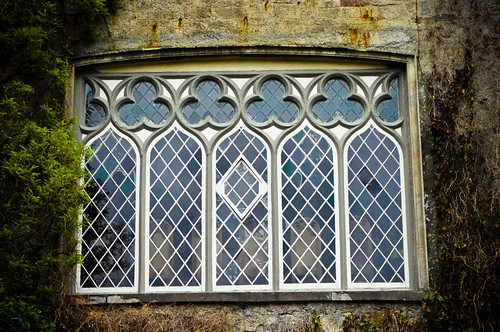
The oldest parts of the castle date back to the 12th century, including the current cafe area and a circular staircase which led to the original 13th century keep. Starting during Edward the IV, the building was added on to. In the 1640’s, under Cromwell, the building itself, old moats, and walls started falling into disrepair as they were filled in and/or harvested for stone building projects. In 1700, the Talbots worked to restore the building to live-able condition, tearing down the fortifications – and vowing that never again should the castle be held by “userpers”. In the place of the fortifications, they planted evergreens on the grounds and started the botanical gardens. The round towers also added in 1765, and several of the windows (including the ones in the great hall) were enlarged. In the years between 1765 and 1782, there was a fire which damaged the west wing of the castle. During the restoration, drawing rooms were added and alternations to the bedrooms (raising ceilings / floors) were made.

One feature on the inside (no pictures allowed inside during the internal tour) is a beautiful Oak Room with carved 16th century wood paneled walls and fireplace. The carvings are all out of the bible, and it is known as one of the best examples of this type of carving in Ireland. The Oak Room itself was expanded in 1820 when the entrance porch was added.
IMGP2323-2

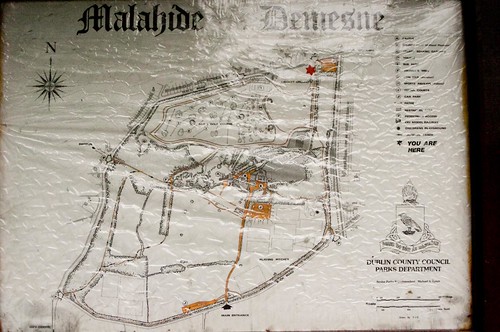
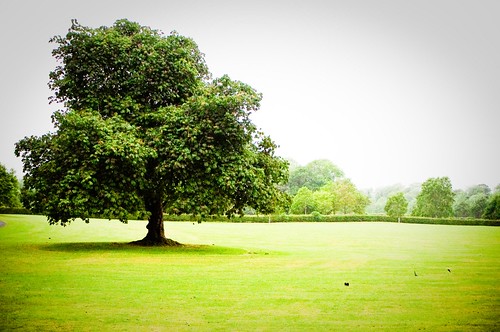
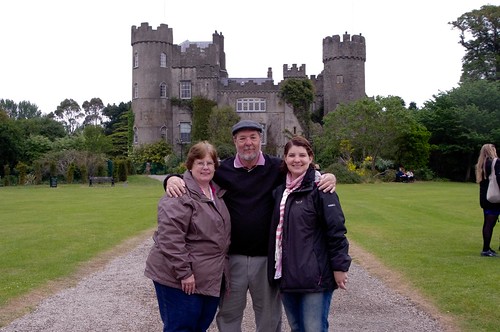
Today, the castle and gardens encompass some 260 acres of parkland (which consist of wooded areas, cricket greens, soccer fields, a golf course, numerous hiking trails, tennis courts, etc.) and the Talbot Botanic Gardens. The Demense as the parkland is known, is one of the few surviving examples of 18th century landscaped parks, and the Botanic Gardens are known for their many plants from the southern hemisphere and the Victorian conservatory. The castle and grounds can easily be seen in a day trip from Dublin (as is evidenced by me taking my mom while she was visiting) and offers a good day out in good or bad weather. (I recommend trying the food at the cafe inside the castle – delicious!)
IMGP2334-12

For more information, please see the Malahide Castle Website at:

http://www.malahidecastle.com/history.asp

Share

DeVreeze Wedding

IMGP2166-90

Earlier this year, some very wonderful friends of mine finally decided to tie the knot. Knowing that I enjoy photography, I talked things over with H & J and offered that instead of actually buying them a gift, I’d save them some money and do both their wedding portraits and the wedding event photography. I wanted to document the day from beginning to end – and make sure that their memories were saved – and also not based on a time limit. (Here in Dublin, for 5 hours of wedding event photography it costs about 600 Euros – and that doesn’t even include prints nor a cd/dvd of the images taken!)

IMGP2054-60

It’s not the first wedding that I’ve photographed – but it was the most intense and wonderfully gratifying experience that I’ve had in a long time. I got there at about 10 am, and left around midnight. Over the course of the day, there were some 1500 pictures taken – which were later parsed down to about 350 that were kept as good enough to put in the photo book of the event. I think they were delighted – because I managed to cover everything from the moments of the family getting ready together, through the bus to the registrar’s office, to the first kiss.

IMGP1921-112

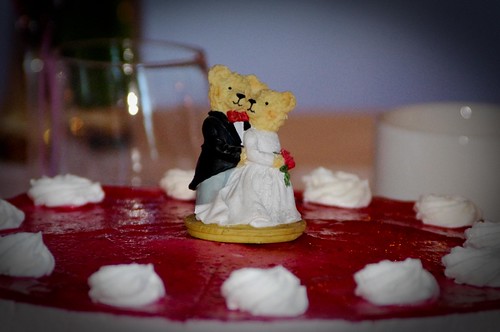
I also remembered to get the decorations, the cake (which was decorated by a baker in the family), and then both the wedding brunch at the Crowne Plaza and the Barbeque in the backyard where the first dance, flower toss, and cake cutting ceremony was performed.

IMGP6089-1-2

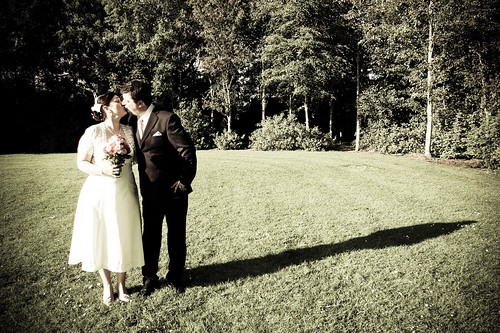
I also found the opportunity to get the quirky things that perhaps another person would have missed, but that I really was able to pick up on because I know them as individuals and as a couple. Things like the two of them kissing – and their shadow merging into one, The bottom of H’s shoes as she went into the registrar’s office (she’d pasted stickers of hearts and the words I DO),

IMGP1988-134

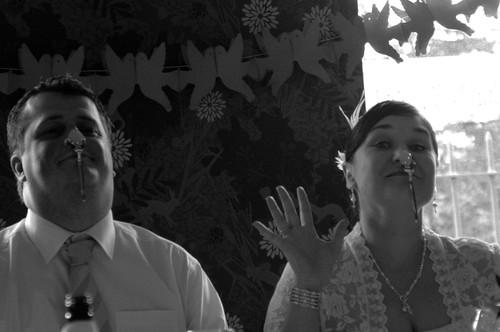
The teasing that happened at the wedding brunch (balancing spoons on their noses)

IMGP2051-1

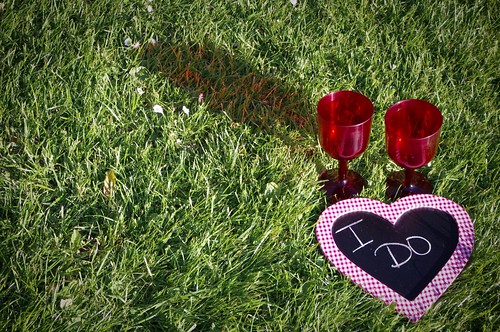
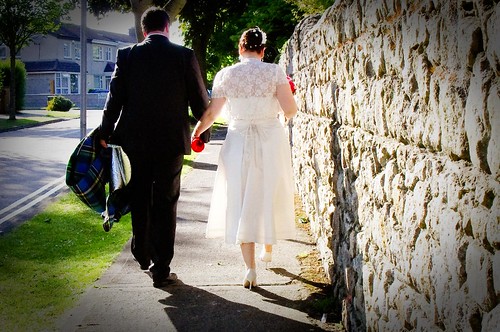
And the naturalness of them walking down the street, holding hands – J carrying the picnic blanket and H carrying the beautiful red cups – as if they were walking into the rest of their lives.

IMGP2114-56

Sure, I was exhausted when it was all over, but after 2 days of photo processing and then turning over the photos to them- I feel not only blessed to have been there, but also blessed to have been allowed to take the photographs of such an amazing event in their lives.

Congratulations, H & J.

Share

Trim Castle & tour

IMGP1101-23

Up in the Boyne Valley, about an hour North of where I live in Dublin, is a place that has been inhabited for thousands of years. It’s known as the Boyne Valley. It’s mostly small farming communities filled with sheep and horses, and encompasses parts of two counties – Meath and Louth. I’ve already posted about the Hill of Tara, which is located here, and also the Hill of Slane, and the tombs at New Grange and Knowth.

IMGP1111-33

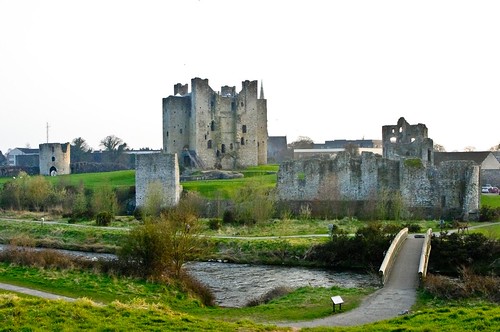
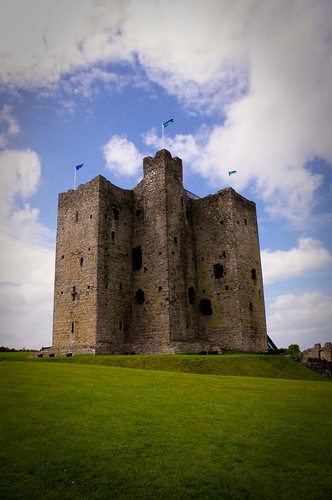
Today’s post is about another really cool place up in the Valley, Called Trim Castle. It’s the largest Norman Castle in Ireland and the lands here were granted by King Henry II of England in 1172 to Hugh De Lacy. The castle site was chosen because it is on raised ground which overlooks a local crossing point on the River Boyne. The castle was an important early medieval ecclesiastical and royal site, and although the site is about 25 miles from the Irish Sea, it was easily reached from the sea using a boat up the river.

IMGP1083-5

Originally, the castle was built as a ring fortress out of wood and earth with a double pallisade. Hugh De Lacy was attacked in 1173, and after the fort was burnt by the Irish, he resolved to rebuild – this time in stone. Construction on the stone fortress was started almost immediately, and for the next 32 years the main fortress was created. It was finished by Hugh’s Son Walter in 1204. It was later updated during the end of the 1400/1500’s when a new great hall and stables were added to the keep.

IMGP1646-76

(Main Cross shaped Keep)

IMGP1660-90

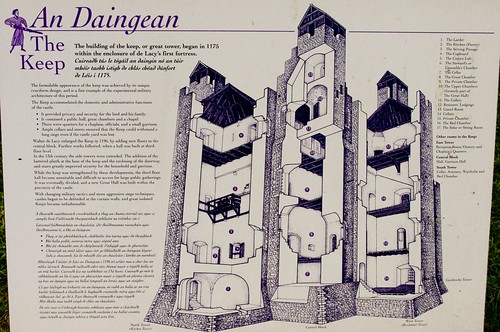
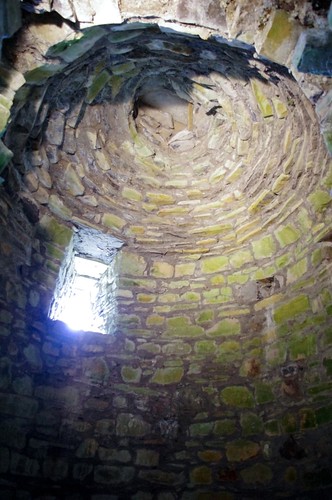
The main feature of the structure – the keep is quite unique. It has a central 3 story building (above) shaped like a cross with 20 corners. It was built in 3 stages, with a main hall on the “bottom” floor. Each of the corners has narrow spiral staircases, and in the top most rooms there is a toilet for the lord of the manor (the shoot goes outside) where he once hung his clothes for “airing out” and a beehive roof chapel.

Round Room (supposedly haunted)

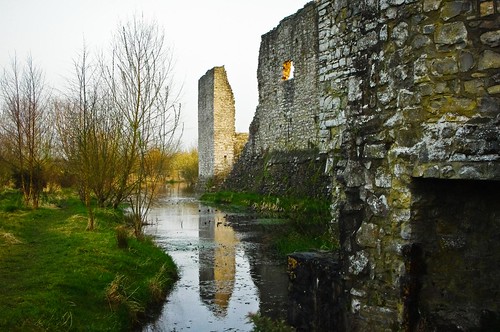
There are also several guard houses built into the curtain walls, which were built in 3 different time periods. The west and north sides of the fortress have rectangular towers that date to 1170s -1190’s and the remaining wall at the south with its round towers dates to the first decade of the 1400’s. There were two main gates into the castle. At the west side dates to the 1170s and sits on top of s a demolished wooden gateway. The upper stories of the stone tower were altered to a semi octagonal shape c. 1200AD. A single round towered gate with an external barbican tower lies in the south wall and is known as the Dublin Gate. It dates from the 1190s.

IMGP1641-71
(The Dublin Gate)

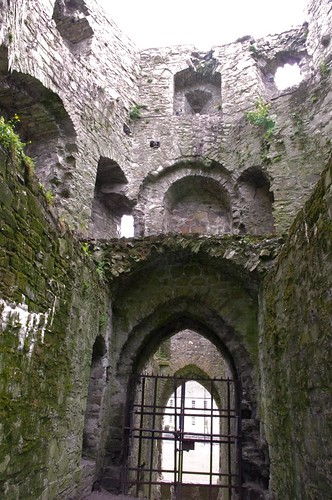
During the late Middle Ages, Trim Castle was the centre of administration for the County Meath and marked the outer northern boundary of English Control. In the 1600’s, the Irish Parliament met here several times, but by the 1700 / 1800’s the castle had declined in importance, except as a potentially important military site, and the castle was allowed to deteriorate significantly. It fell into decline in the 16th century but was refortified during the Cromwellian wars in the 1640s. The castle was sold in 1993 to the Irish National Trust, along with the surrounding land. The Office of Public Works now owns and administers the building (after a 6 million euro refurbishment) and opened it to the public in 2000.

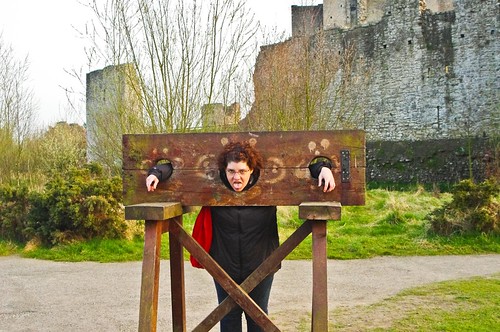
In the stocks.

For more pictures of the castle (and some of the sign posts) please see my flickr site here.

Oh – one other side note – if the castle looks familar to you, there’s a reason – it was the castle used in the movie Braveheart. If you go across the street to the Pub, there’s a ton of movie memorabilia inside – and a great old guy who spends his days at the pub, talking (and joking) with all the tourists who visit.

Share