Thanksgiving in Germany

Thanksgiving isn’t celebrated in Germany. This year, JTW is moving back to the states, but he decided to have a little get together and have a more traditional Thanksgiving.

Thanksgiving is one of those difficult concepts to try to explain to others who don’t celebrate it. My theory is that it’s all about the family and friends, spending time cooking together (laughing and joking) and then, having a feast of gluttony – and maybe watching the Macy’s Parade or football on TV.

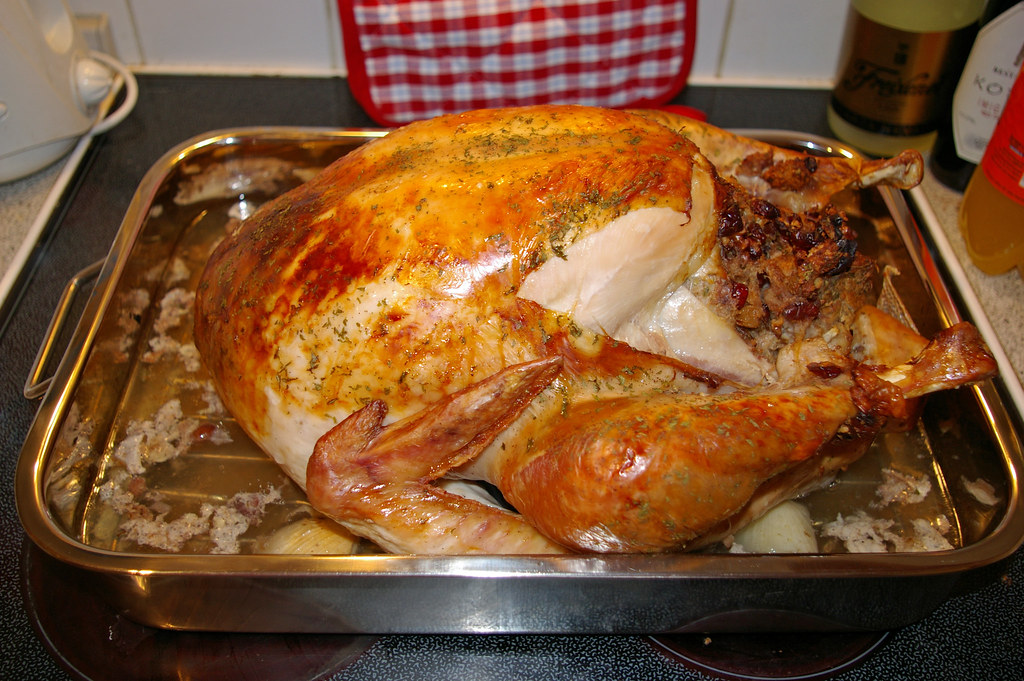
As always, I made the turkey (this time it was just the night before) – and this year’s bird, despite being small by American standards – barely fit in the oven. It did, however, turn out beautifully.

Big Bird for Dinner

I took a taxi up with the bird and stuffing, and we headed off to the Christmas Markets. Then, we made all the sides, and the pies, and just had a great time.
All the pictures are up here, if you want to check them out. So, Happy Thanksgiving all, I hope yours was great!

Share

Rememberance Day / Armistice Day

I found out today that a good friend of mine is coming home from Iraq on Friday. Way to go JCCE. I’m so proud of you, my heart is almost ready to burst. I wish I could be there to give you a hug – although I’m sure your wife and family will be there with much joy.

Today is Rememberance Day, and I think that’s why it was of particular symbolism that this news came.

IMGP6519

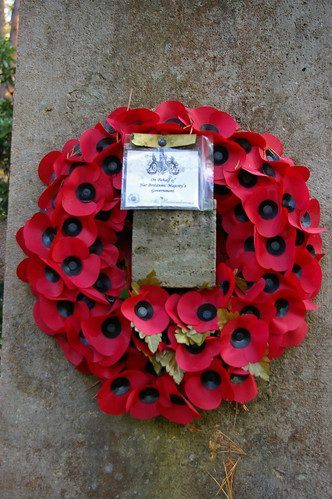
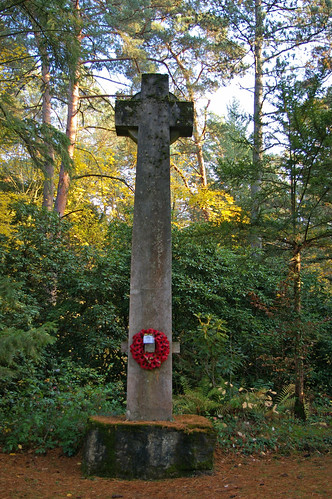
For those of you that don’t know, The poppy worn on Remembrance Day is the red-corn poppy, which grows abundantly in Europe, including Flanders Fields.
‘In Flanders Fields’ is a poem, written by Canadian physician and Lieutenant Colonel John McCrae on May 3, 1915, and was written about the small red flowers growing on the battlefields of France amongst the death and blood from the men who died fighting for their country.

The poem and the poppy, have now become iconic symbols of both the World Wars, and now plastic versions are sold prior to Remembrance Day to remember those who died.

The poem:
In Flanders fields the poppies blow
Between the crosses, row ..,
That mark our place; and in the sky
The larks, still bravely singing, fly
Scarce heard amid the guns below.

We are the Dead. Short days ago
We lived, felt dawn, saw sunset glow,
Loved, and were loved, and now we lie
In Flanders Fields.

Take up our quarrel with the foe:
To you from failing hands we throw
The torch; be yours to hold it high.
If ye break faith with us who die
We shall not sleep, though poppies grow
In Flanders Fields.

– John McCrae

I hope that you’ll take a moment, stop, and remember all those who died en masse in the two World Wars and hope that we can learn to resolve our differences without War.

IMGP6518

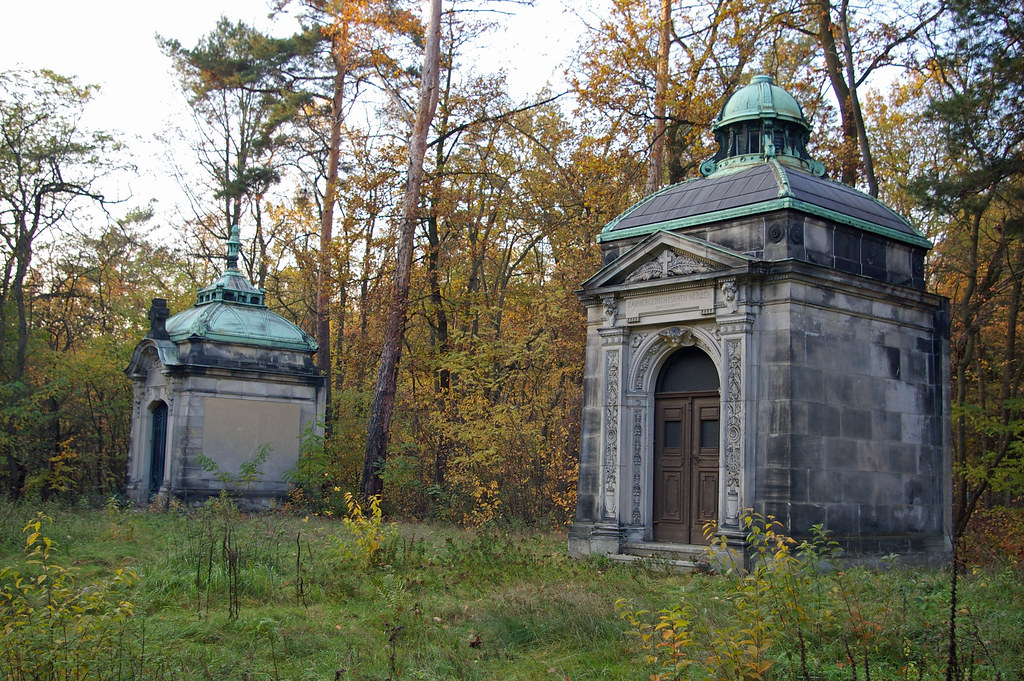
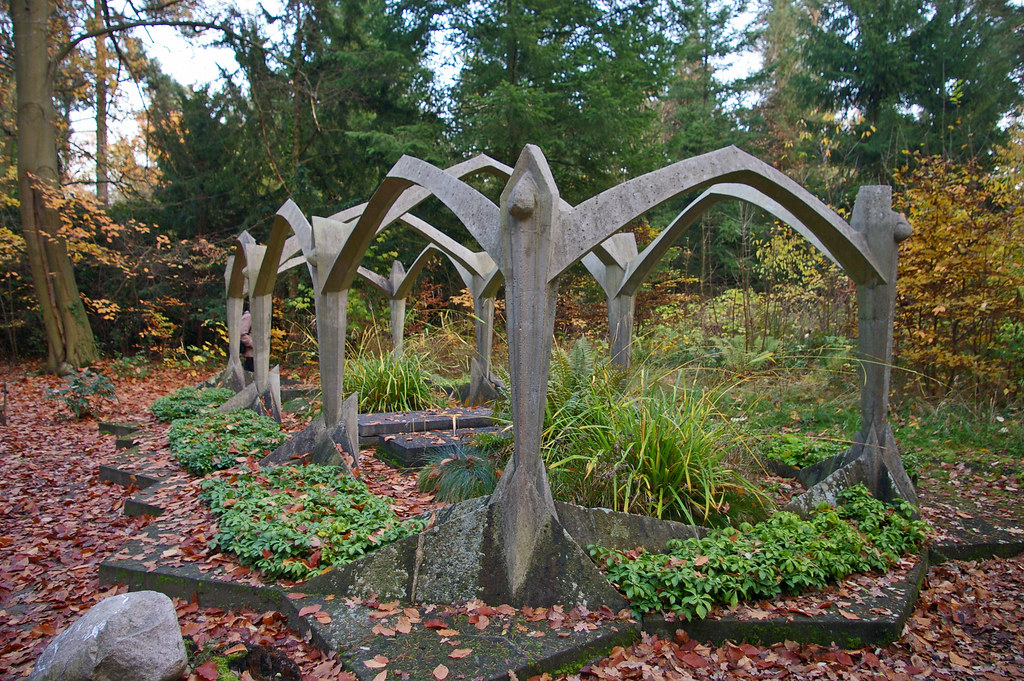
Both photos here were from my trip to the Stansdorf Cemetery on November 1, the Day of the Dead. It warmed my heart to see that yes, even Here in Germany, the British government remembers their WW1 dead.

Share

Stahnsdorf Cemetery – Won’t You Join Me In Death

It’s been a few days since I have posted anything I know. I’ve been sort of busy processing photos and getting ready for this evening’s trip to Ireland for the weekend. I have a bunch I still need to get done from election night, but I thought I would share a the pictures that I have from the trip on Nov 1 (day of the dead) to Stahnsdorf Cemetery.
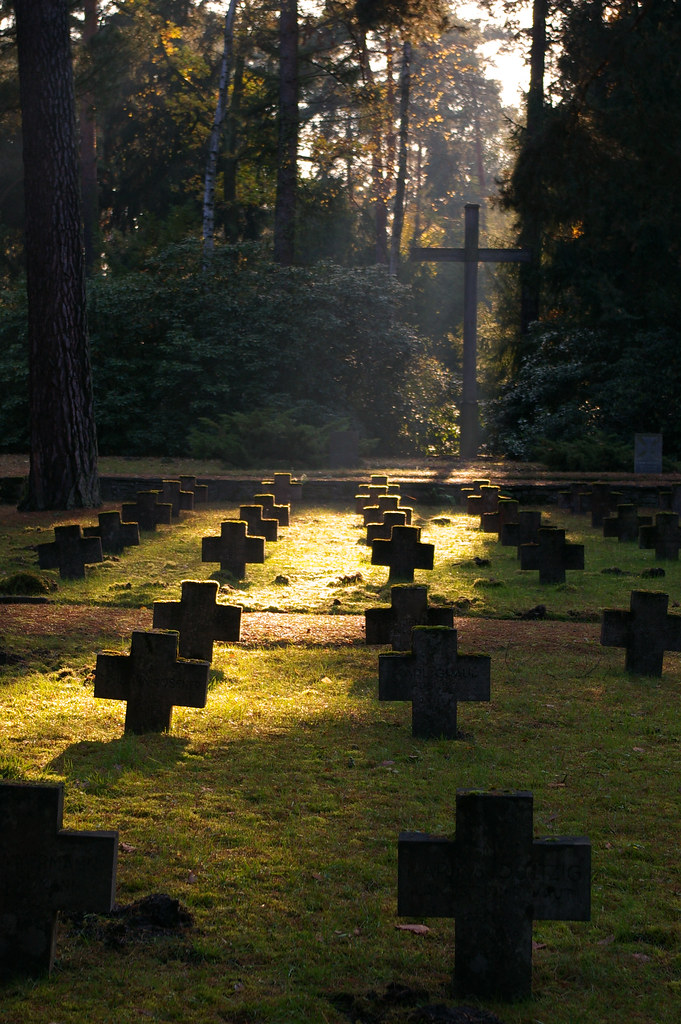
IMGP6516

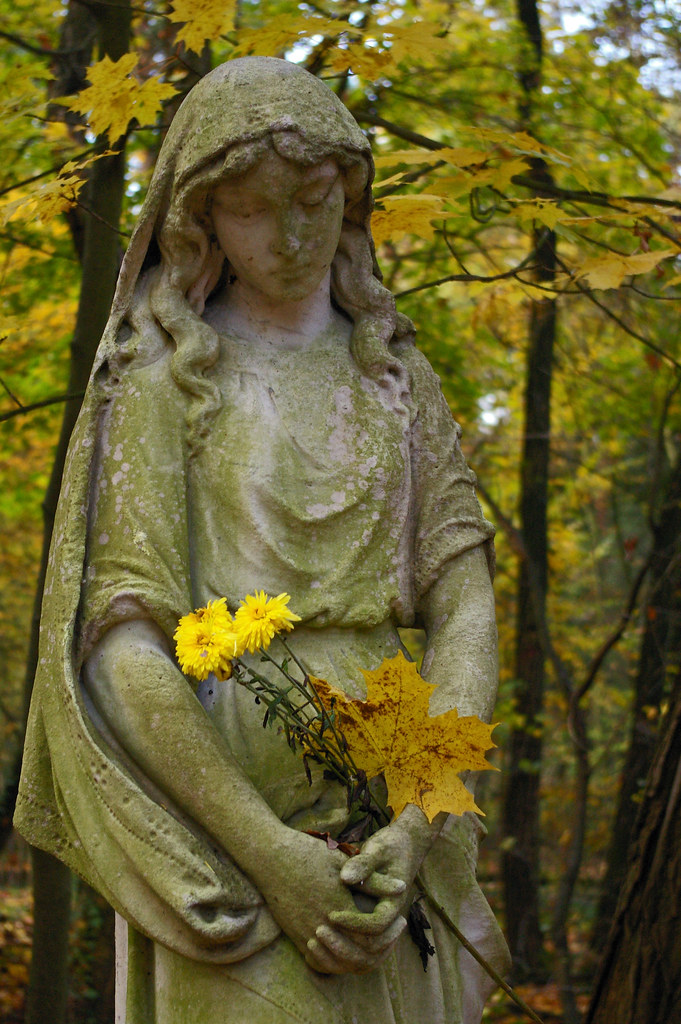
To say the least, Autumn is my favorite season – and since Cemeteries are one of my passions as well – sometimes Mother Nature blesses you with the perfect light, the perfect scenery, and a little bit of luck and inspiration. I hope you enjoy – and if you want to see more photos from the set (this place is going to take me weeks to go through- yeay) they’re here.
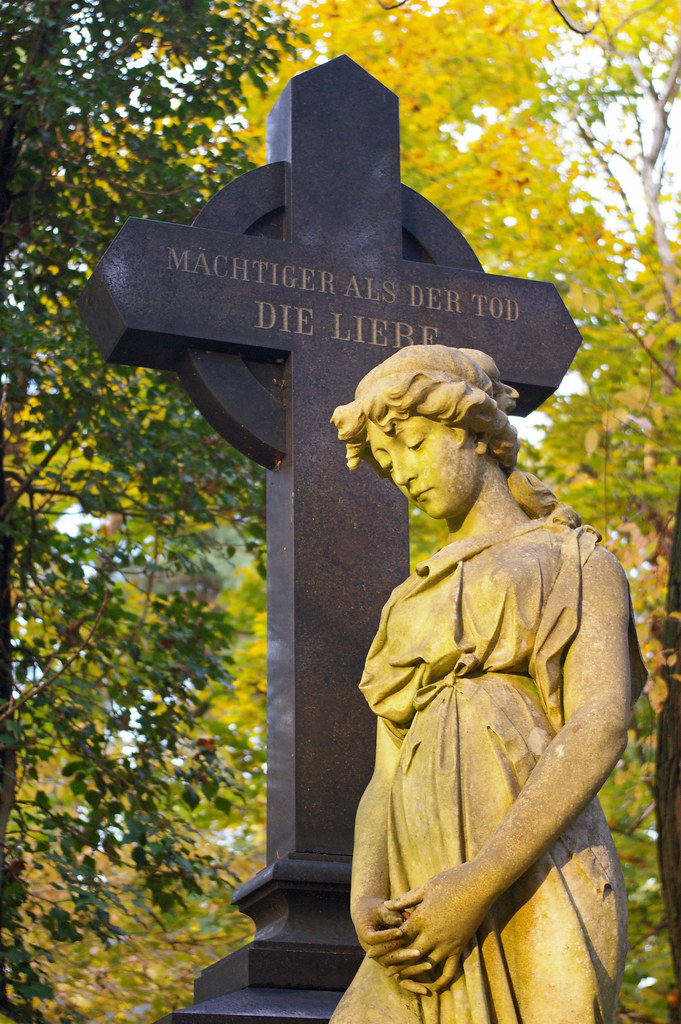
IMGP6591

A bit of history –

On March 28, 1909 the South-Western Cemetery officially opened.
Given its size and the vast park/forest-like layout, the South-Western Cemetery developed into one of the largest and best known burial sites in Germany already a few decades later.

Several personalities found their final resting place here, such as, among others,
Heinrich Zille, Rudolf Breitscheid, Lovis Corinth, Edmund Rumpler, Louis Ullstein, and the Siemens family.
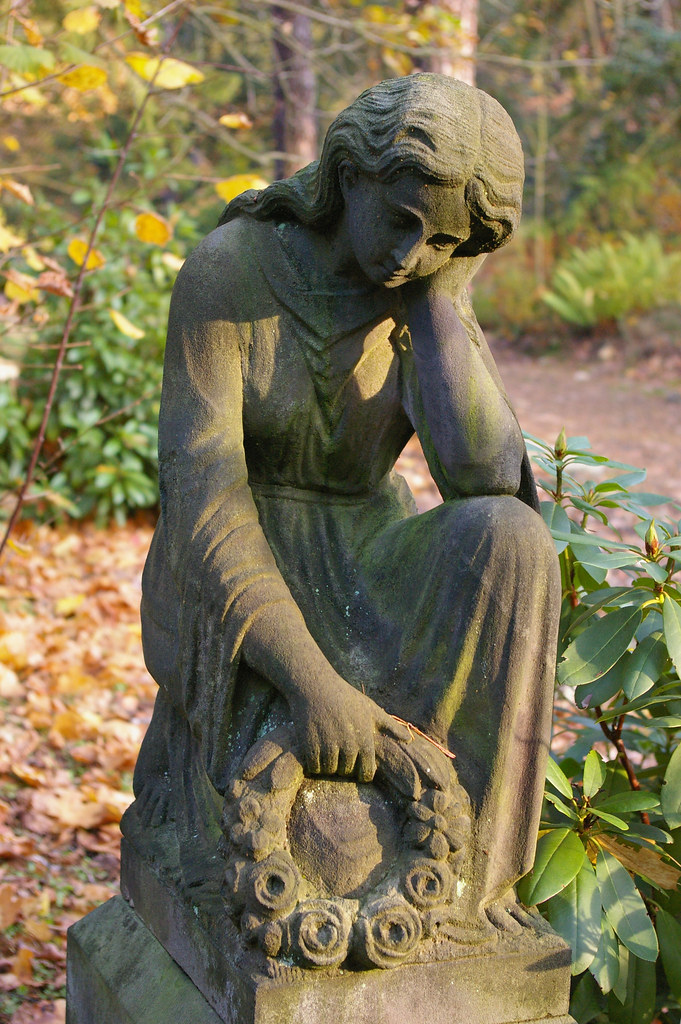
IMGP6538ed

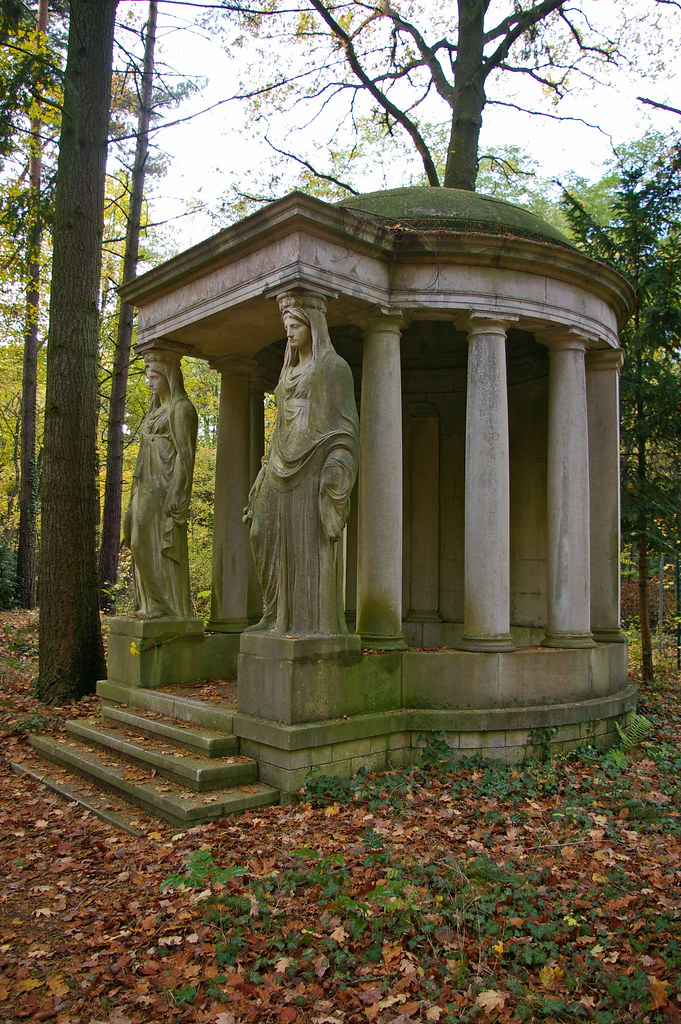
The overall impression is definitely influenced by the combination of garden
and cemetery art, architecture and sculptures.

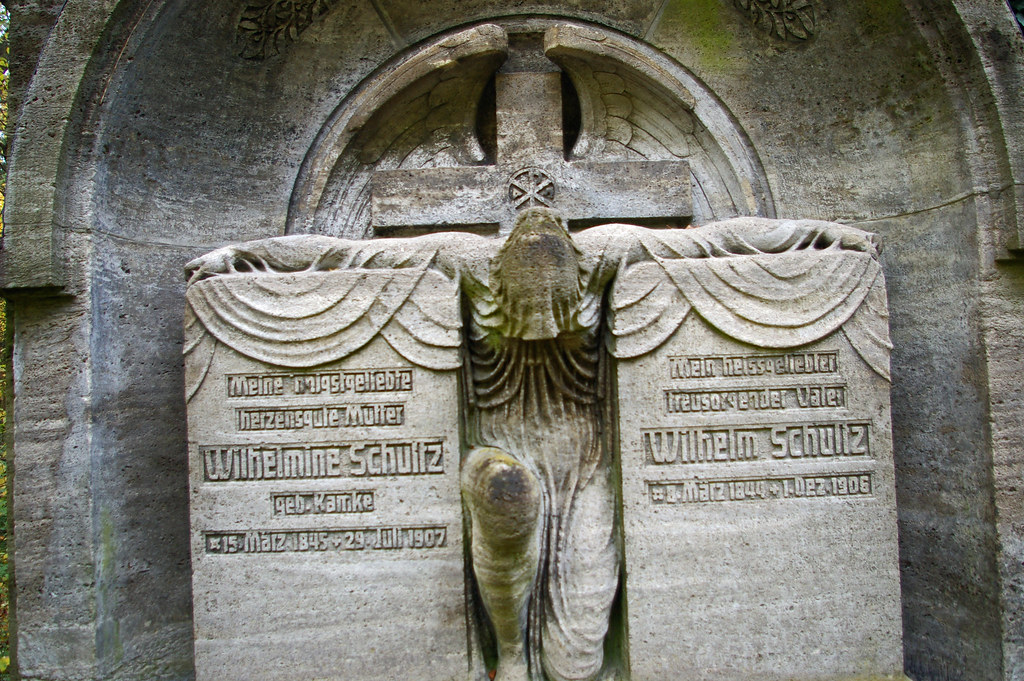
Architects and artists such as Franz Seeck, Alfred Grenander, Max Taut, Hugo Lederer, Hermann Hosaeus and Emil Cauer worked here, to mention but a few.
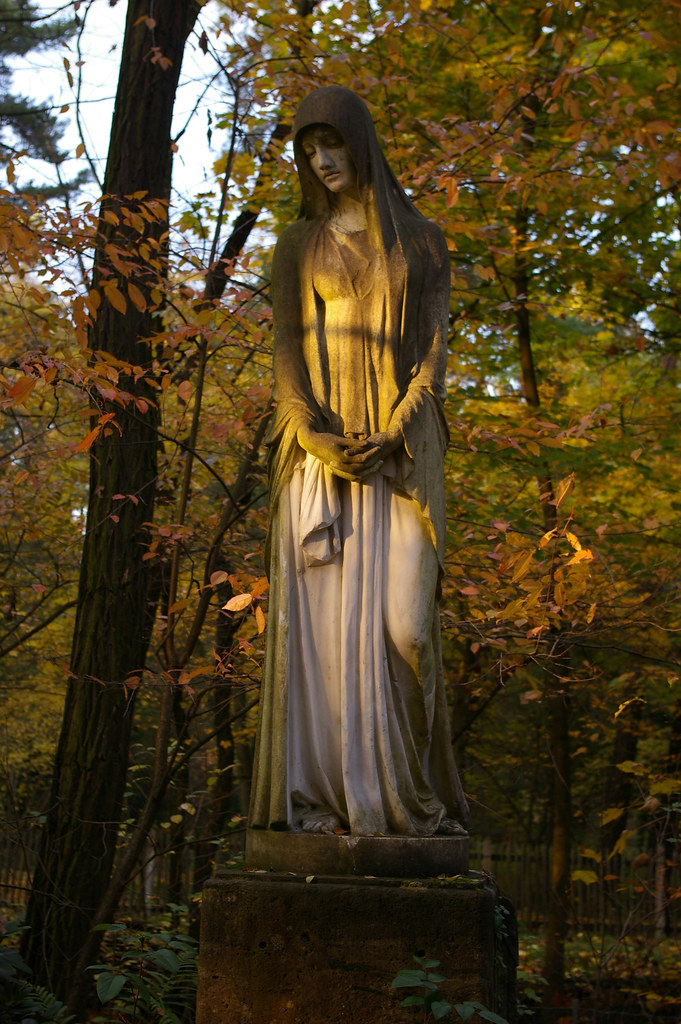
IMGP6587

IMGP6586

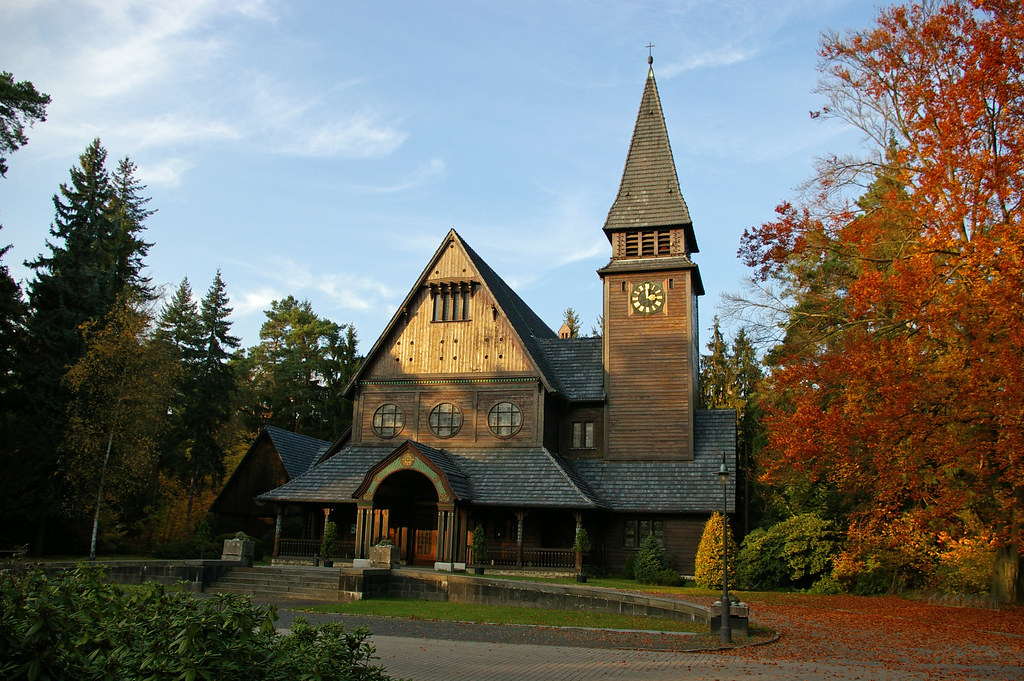
Apart from 19th and 20th century tombstone art, the wooden chapel in the style of the Norwegian Stave churches is the core of the Cemetery.
IMGP6545

Gustav Werner, royal building surveyor, found his inspiration in Scandinavia and between 1908 and 1911 implemented the chapel building plans. The cemetery achieved thus fame and popularity as a cultural monument, far beyond the boundaries of Berlin.
IMGP6613

IMGP6570

IMGP6626

IMGP6652

For more information please see:
www.suedwestkirchhof.de/index_2.htm
Share